

Déise Greenway: Complete Route Guide
Everything you need to know about Waterford's flattest and most accessible cycling route, perfect for leisurely rides.
Read GuideSalt air and coastal conditions need special attention. Here's what to check before heading out on routes like the Déise Greenway.

Riding by the sea isn't like cycling inland. Salt spray, higher humidity, and constant moisture mean your bike faces challenges it doesn't elsewhere. You'll notice rust can develop quickly on exposed metal parts — especially on chains, brake cables, and derailleurs. The salt crystals in the air settle onto everything, and if they're not cleaned regularly, they corrode components fast.
That doesn't mean coastal riding isn't worthwhile. Flat routes like the Déise Greenway are brilliant for leisure cycling. You just need to be proactive about maintenance. A little preparation now saves you from frustrating breakdowns later.
Coastal environments age bike components 2-3 times faster than inland riding. A chain that'd last 2,000 km inland might only last 800-1,000 km near the sea. Brake pads wear quicker too because you're braking more often on salt-crusted rims.
Start with the frame itself. Look for any existing rust spots, especially in crevices where water collects — around the seat tube, near cable guides, and under the bottom bracket. You don't need a pristine bike, but you want to catch early corrosion before it weakens anything structural.
Inspect all metal fasteners: bolts, screws, and quick-release levers. If they're showing white or orange discoloration, that's salt corrosion starting. Tighten anything loose while you're at it. Check brake calipers for smooth movement and cable condition. Salt can stiffen cables, making braking less responsive.
Don't forget the derailleur. It's exposed and takes a beating from spray. Make sure it shifts smoothly through all gears. If it's sluggish, it's probably salt buildup on the cable or pulleys.

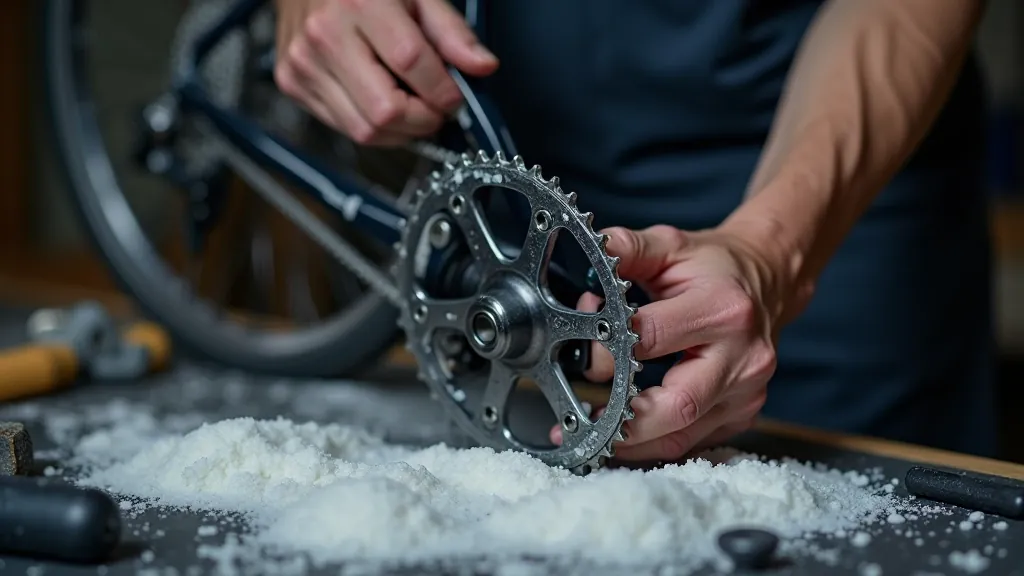
Your chain is the most vulnerable part when riding coastal routes. It's constantly exposed and collects salt spray directly. Before any coastal ride, clean your chain thoroughly with a proper degreaser. You're not just removing dirt — you're removing salt crystals that'll accelerate wear.
After cleaning, apply a good quality bike chain lube. Use one designed for wet conditions if possible. Wipe off excess with a clean rag — too much lube just attracts more dirt and salt. Check your cassette and chainring teeth for damage. If they're worn or chipped, they'll wear out your chain faster.
Plan to clean your chain after every 2-3 coastal rides, more often if you're riding regularly. It takes 10 minutes and makes a huge difference. Think of it like brushing your teeth — frequent maintenance beats expensive repairs.


Salt and sand on coastal paths are harder on tires than regular road dirt. Inspect your tires closely for small cuts, embedded stones, or unusual wear patterns. Rotate your tires if you've been riding regularly — the back wheel typically wears faster. Check tire pressure before each ride. Slightly higher pressure (within the sidewall range) helps shed water and salt spray better.
Brake pads deserve special attention. Look at the pad thickness — if they're thinner than 2mm, replace them. Coastal conditions mean brake pads clog with salt and grit faster. Feel the brakes through a full range: they should engage smoothly without squealing. If brakes feel spongy or inconsistent, check for air in hydraulic lines or cable tension on mechanical brakes.
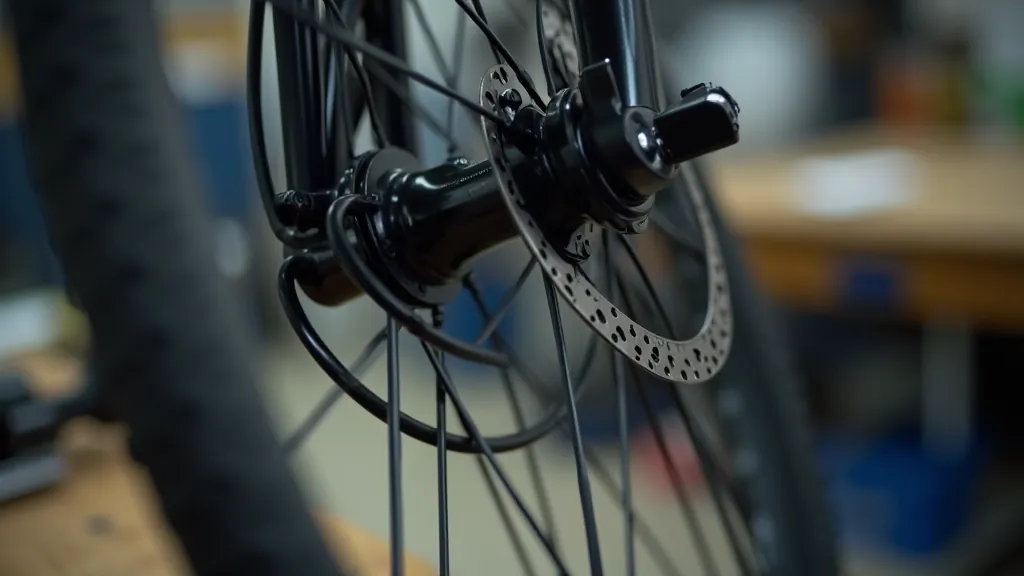
Wheels need checking too. Spin each wheel and watch for wobbles. Check the rim surface — if you see corrosion, it'll affect braking performance. Salt corrodes aluminum rims, creating a rough surface that wears brake pads quickly and reduces stopping power.
This article provides general guidance on bike maintenance for coastal cycling. Every bike is different, and conditions vary. If you're uncertain about any maintenance task, consult a qualified bike mechanic. Professional servicing is recommended annually, or more frequently if you ride coastal routes regularly.

After riding coastal routes, don't leave salt on your bike. Rinse the whole frame with fresh water as soon as you can — a basic garden hose works perfectly. Pay special attention to the drivetrain, brakes, and undercarriage where salt accumulates. Use a soft brush to dislodge stubborn salt deposits, but avoid high-pressure water on bearings or the derailleur.
Dry everything with a clean cloth. This prevents water spots and keeps rust at bay. Once dry, apply a thin coat of protective spray to metal parts. You don't need expensive products — basic silicone spray or even a light machine oil works. Wipe off excess so it doesn't attract dust.
This routine takes about 15 minutes but extends your bike's lifespan significantly. It's especially worthwhile if you're riding the Déise Greenway regularly. The investment in time pays for itself in reduced maintenance costs and a more reliable bike.

Coastal cycling doesn't require fancy equipment or complex maintenance routines. It just needs consistency. Spend an hour now inspecting your bike — frame, drivetrain, brakes, wheels — and you'll ride with confidence. Clean your bike after each ride. Check your chain regularly. That's really all it takes.
The Déise Greenway and similar coastal routes offer something special: flat terrain, beautiful scenery, and fresh sea air. You deserve to enjoy them without worrying about mechanical issues. A well-maintained bike is a joy to ride. You'll feel the difference immediately.
Ready to explore? Start with these checks this week. Your future rides will be smoother, safer, and far more enjoyable.
Back to Cycling Guides