Bike Comfort Setup for Longer Rides
Getting your bike dialed in properly makes the difference between a enjoyable day out and coming home sore. We'll walk you through the key adjustments that matter most for comfortable longer rides on flat terrain.
Why Comfort Matters on Longer Rides
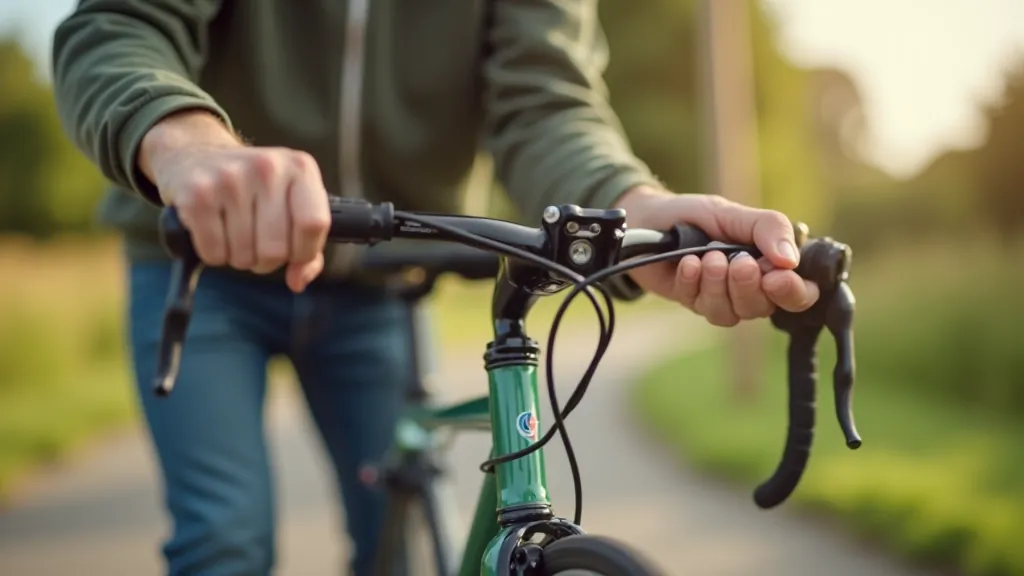
Most people assume that discomfort is just part of cycling. It's not. A properly adjusted bike shouldn't cause pain in your back, neck, wrists, or backside — even after two or three hours in the saddle. The good news is that getting it right doesn't require expensive gear or professional fitting.
Your bike setup affects how much effort you expend, how your muscles engage, and whether you'll actually want to ride again next weekend. Small adjustments to seat height, handlebar position, and reach can transform the whole experience.
Getting Your Seat Height Right
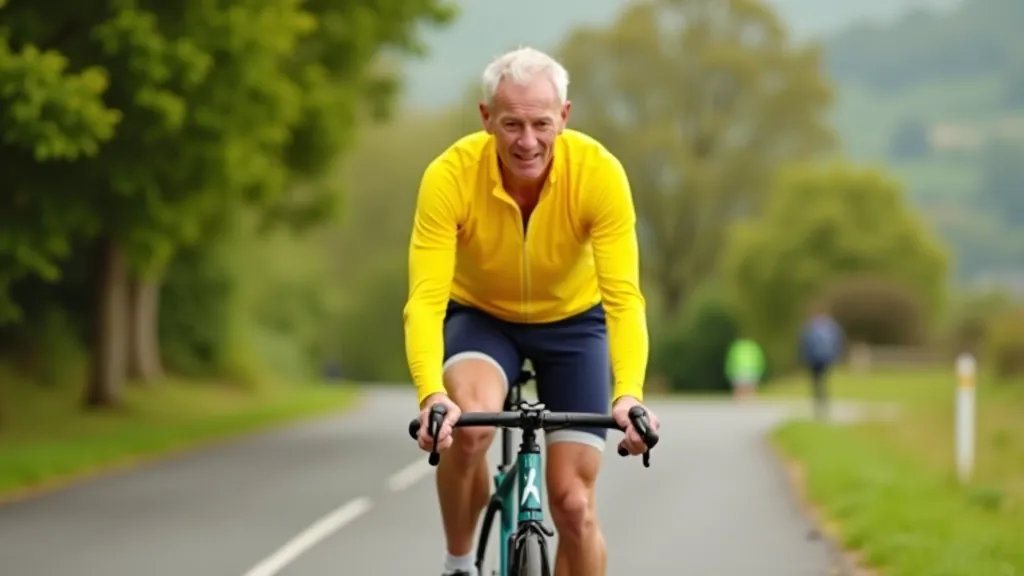
The seat is where most discomfort starts, so let's fix this first. Your seat height affects how efficiently you pedal and whether your knees track properly through each rotation.
Here's the straightforward method: sit on the seat, put one pedal at its lowest point (6 o'clock position), and check your knee bend. You're aiming for roughly a 25-30 degree bend — not locked straight, not cramped. Your leg shouldn't feel like it's working to extend fully, and you shouldn't feel compressed either.
If you're coming from an old bike where you always felt knee pain, the seat might be lower than you'd expect. Start with this basic position, then take a short ride around the block. You'll quickly notice if it needs adjustment. Most people make micro-adjustments of half an inch or so — tiny changes that feel significant when you're riding.
Quick tip: Don't adjust your seat height while sitting on it. Dismount, then make changes. You'll get a more accurate position this way.
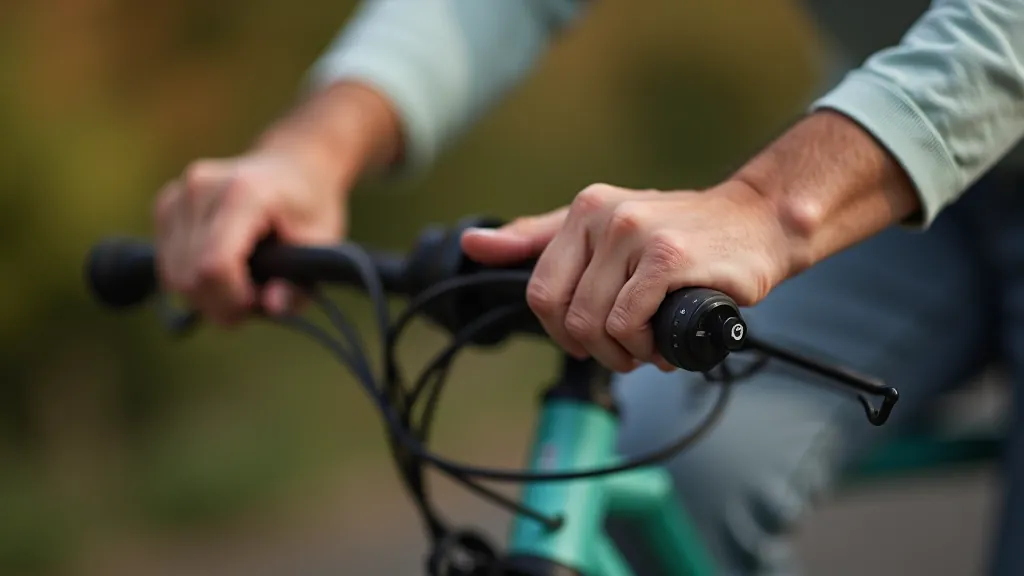
Handlebar Position and Reach
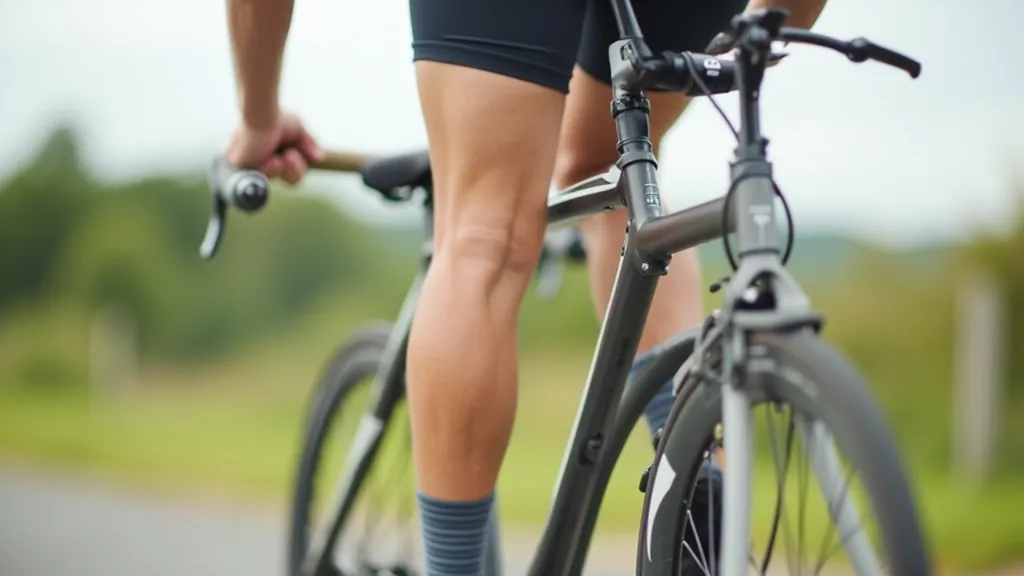
Handlebar height and reach are the second big comfort factor. They determine whether you're hunching over (which exhausts your neck and shoulders) or sitting upright (which feels natural and sustainable).
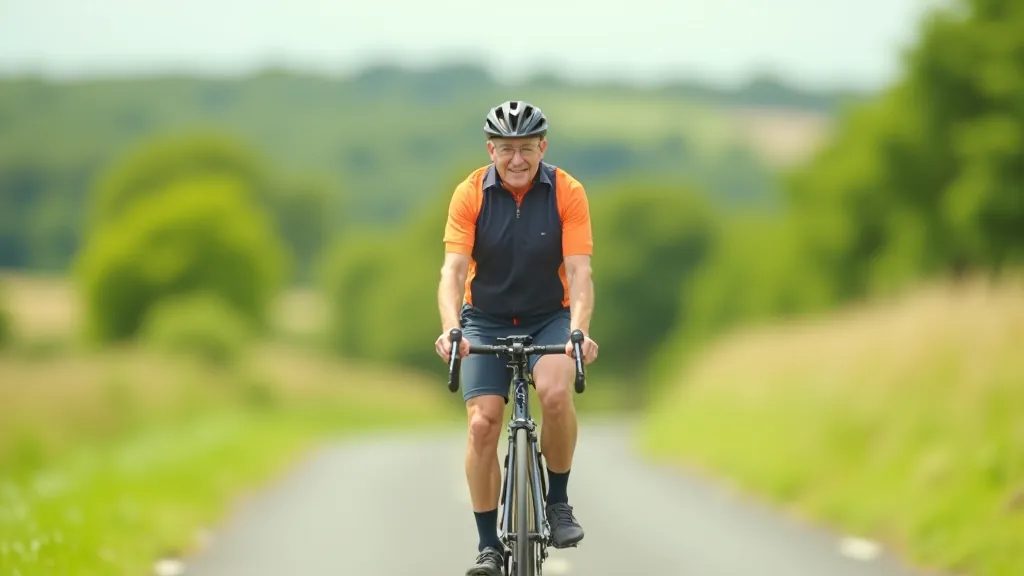
Most hybrid and comfort bikes come with handlebars that are already pretty high — often level with your seat or slightly higher. That's intentional. You want a relaxed, upright posture where your arms have a slight bend at the elbows, not locked straight. Your wrists should be neutral, not bent backward or forward.
If your handlebars are too close, you'll feel cramped and your lower back will tighten. Too far away and you'll be stretched out, putting pressure on your wrists. The reach should let you grab the handlebars with just a slight forward lean from your hips — not a dramatic bend.
Many bikes have adjustable stem risers or you can swap the stem entirely if needed. Don't underestimate how much a small handlebar adjustment changes everything about how the bike feels.
Related Reading

The Saddle Makes a Bigger Difference Than You'd Think
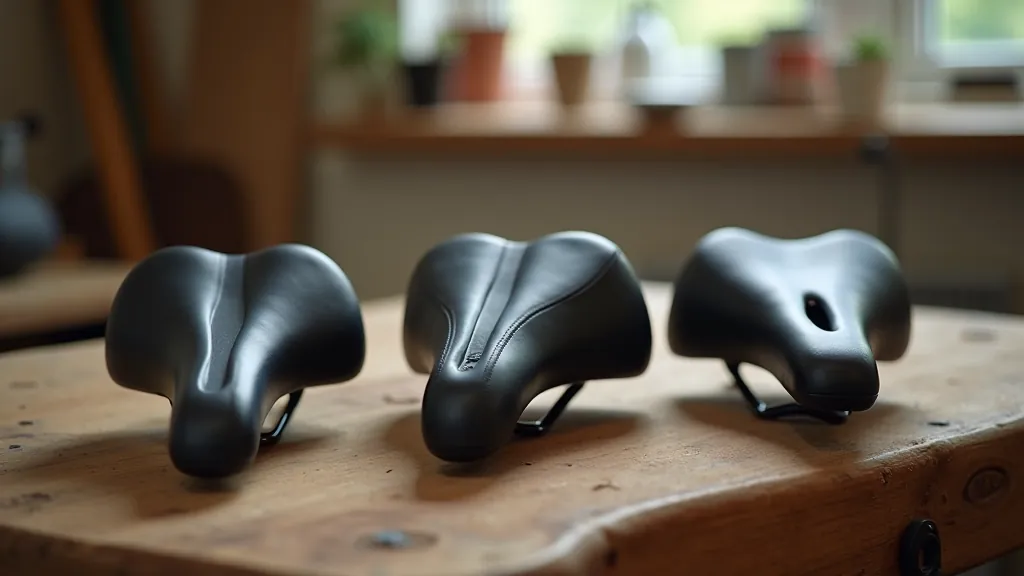
If you've adjusted height and reach and you're still experiencing discomfort in the seat area, the saddle itself might be the culprit. Not all saddles work for all bodies — and that's okay. Saddle comfort is genuinely personal.
Wider saddles generally feel more comfortable for upright riding positions because they provide more support across a larger surface area. Look for saddles designed specifically for comfort rather than racing — they'll have more padding and a wider rear section. Many bike shops will let you test different saddles before buying, which is worth doing.
You don't need the fanciest saddle out there. A mid-range comfort saddle from a reputable brand will last for years and feel great. Brands like Selle Royal, Brooks, and Fizik make excellent comfort saddles that won't break the bank.
A Note About Fit
This guide covers the basics of bike setup that most riders can handle themselves. If you're experiencing persistent pain after making these adjustments, or if you're returning to cycling after a long break, consider visiting a local bike shop for a professional fitting. They've got the tools and experience to dial things in precisely for your body.
Your Setup Should Feel Right from the Start
The goal here is simple: you shouldn't come home from a ride feeling beaten up. A comfortable bike lets you focus on the scenery, the experience, and the pure joy of being outside. It's the difference between thinking "I have to ride" and thinking "I want to ride."
Start with seat height — that's the foundation. Then work on handlebar reach. Test ride after each adjustment. You'll find the sweet spot pretty quickly, and once you do, you'll wonder why you ever tolerated discomfort in the first place.
Whether you're tackling the Déise Greenway or exploring quieter local routes, a well-fitted bike makes every mile more enjoyable. Take the time to get it right.