
Preparing Your Bike for Coastal Riding
Salt air and coastal conditions need special attention. Here's what to check before and after rides near the sea.
Read ArticleEssential techniques, equipment checks, and road awareness strategies to cycle confidently and protect yourself on every ride.
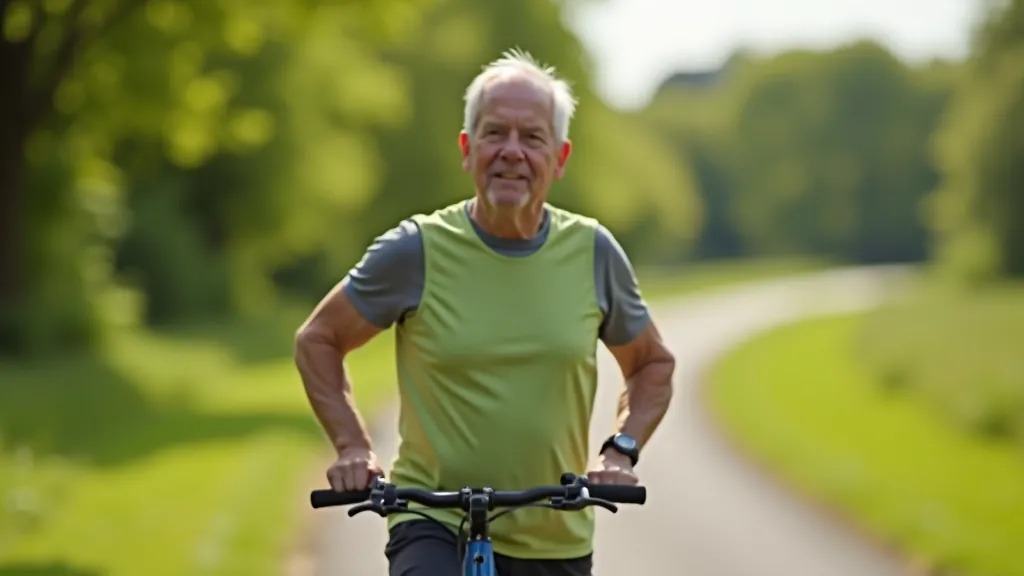
Cycling's one of the best ways to stay active and enjoy the outdoors. But it's not without risks — and as we get older, our bodies need a bit more protection. The good news? Most accidents are preventable with the right knowledge and preparation.
You don't need to be intimidated by cycling. You'll just need to understand what can go wrong and how to avoid it. That's what this guide covers: the practical safety essentials every senior cyclist should know before heading out on the road or the greenway.
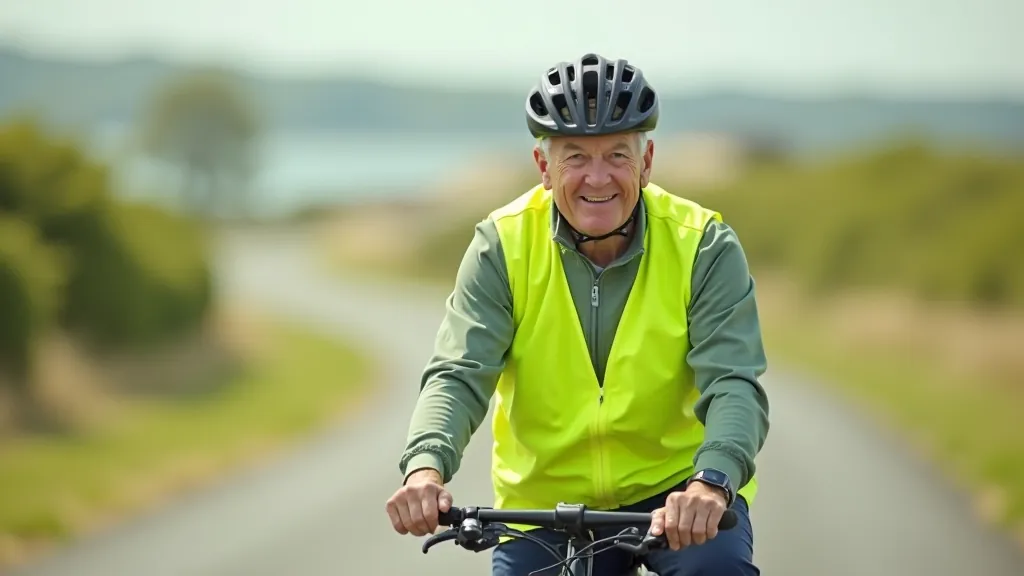

Most collisions happen because a driver doesn't see a cyclist. It's not intentional — it's just that cars move fast and cyclists are small. Making yourself visible is absolutely crucial, especially in low-light conditions.
Pro tip: Test your lights at dusk. If you can't see the beam clearly in daylight, it won't be bright enough when drivers actually need to see you.
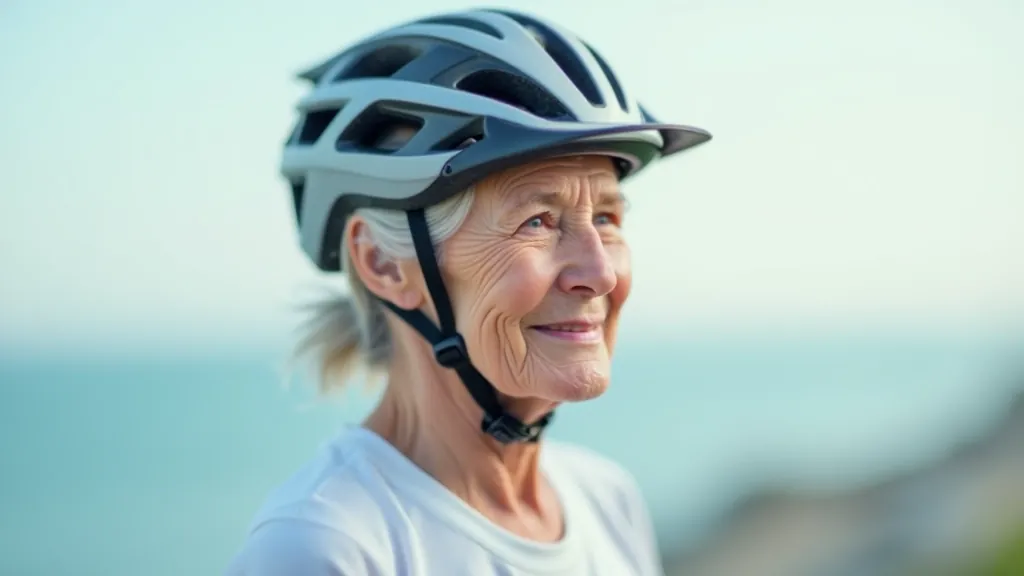
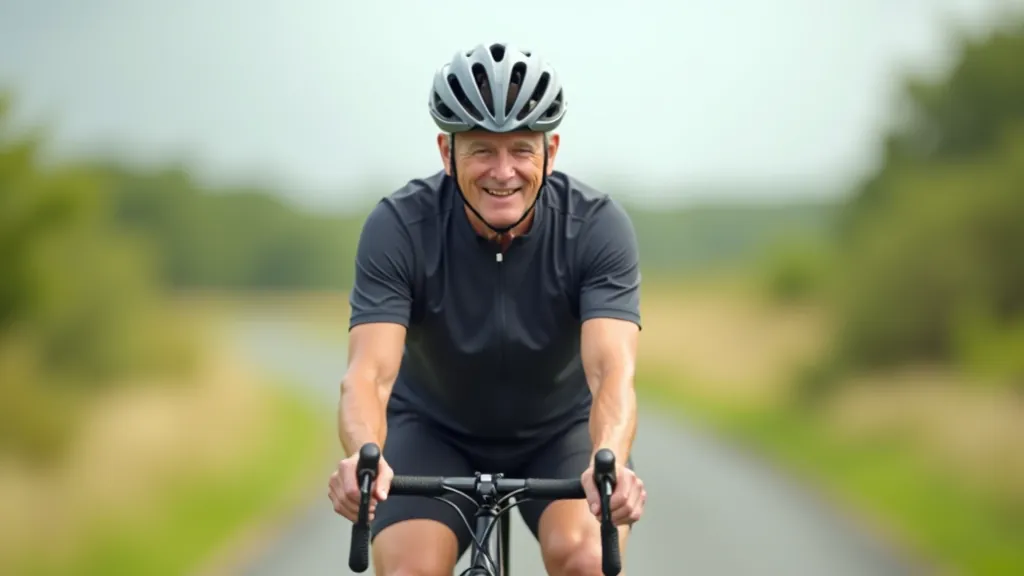
Let's be direct: a helmet saves lives. Studies show it reduces head injury risk by up to 70%. After 50, falling becomes more dangerous — we heal slower and head injuries compound faster. There's no reason not to wear one.
A helmet only works if it fits right. Too loose and it shifts on impact. Too tight and you'll stop wearing it.
This article provides educational information about cycling safety for seniors. It's not a substitute for professional advice or medical guidance. Everyone's physical capabilities differ — if you have specific health concerns, joint issues, or balance difficulties, consult your GP or a physiotherapist before cycling. Road rules and safety requirements vary by location. Always follow local traffic laws and consult current cycling safety standards in your area.
Even with great equipment, you need to be aware of what's happening around you. This means staying alert to traffic, road conditions, and other cyclists — all simultaneously.
Don't just look straight ahead. Check mirrors if you have them, glance over your shoulder before turning, and watch for hazards 10-15 meters ahead.
Don't wear earbuds or music. You need to hear car engines, horns, and other cyclists calling out. It's often your first warning.
Watch for car brake lights, open doors, pedestrians stepping out. Think one step ahead. If something looks risky, it probably is — slow down or stop.
Use hand signals before turning. Make sure drivers see you. Hold the signal for a few seconds — don't assume one glance is enough.
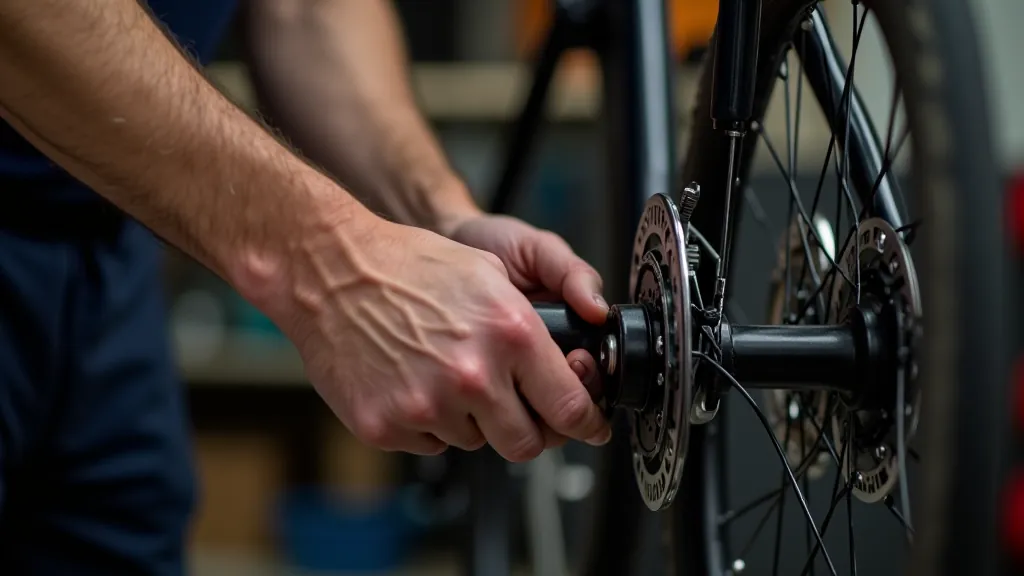
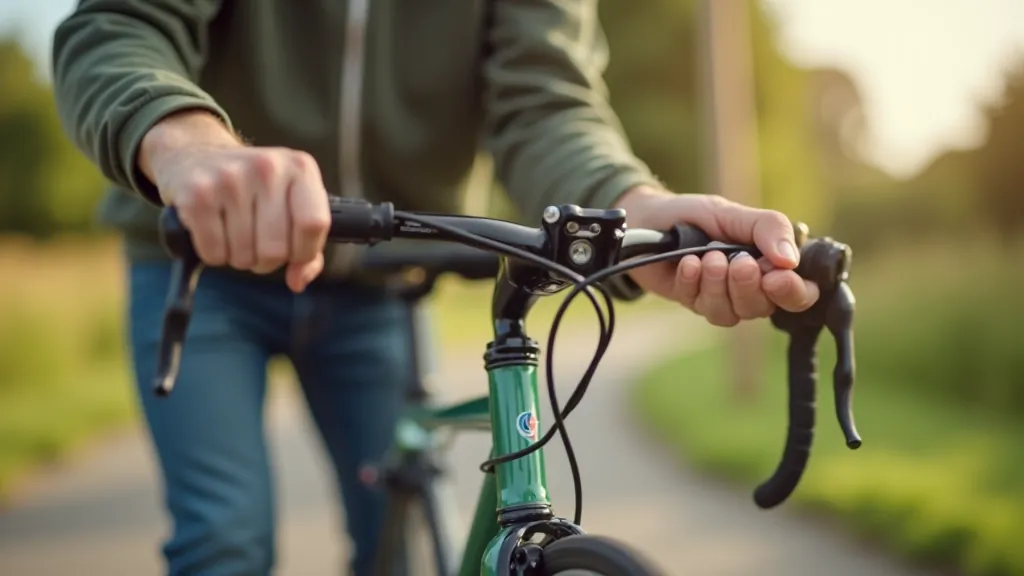
A well-maintained bike is a safe bike. You don't need to be a mechanic — just do basic checks regularly. Most problems you can spot yourself in five minutes.
Do this every time before you ride:

Cycling safety doesn't need to be complicated. You've got the fundamentals now: be visible, wear a helmet, stay aware, and keep your bike maintained. That covers 95% of accident prevention.
The reality is this — thousands of seniors cycle regularly and safely. You're not doing anything dangerous if you take these precautions seriously. Your body will thank you for the activity, your mind will appreciate the time outdoors, and you'll feel confident knowing you've done everything you can to protect yourself.
Start with one ride on a quiet route. Check your equipment, wear your visibility gear, and focus on awareness. You'll quickly build the habits that make cycling second nature. That's when the real enjoyment begins.
Explore the Déise Greenway and discover Waterford's safest, flattest cycling route designed for all abilities.
Explore the Route